Giving Birth & Incontinence Urogynecology & Pelvic Health And Wellness
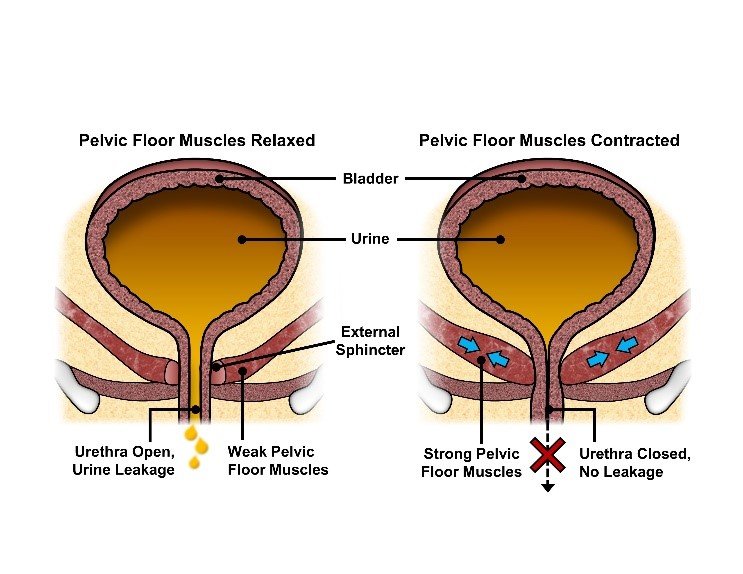
Giving Birth & Urinary Incontinence Urogynecology & Pelvic Wellness Your proficient specialist aids determine proper training tons based on continence condition and tissue inflammation signs after analyzed tests. This imparts long-lasting leak prevention methods and confidence to continue to be energetic. Specialist hands-on strategies and neuromuscular re-education techniques instruct you to properly recruit and work with target musculature, restoring closure force and organ assistance from the inside. Aiding your specialist's hands on the surface combined with internal genital touch shares appropriate shooting series that Kegels alone can not attain. Although lots of state it takes 6 weeks to recover after giving birth, it can actually take 6 to year for your body to totally recoup. Much to everybody's surprise, episiotomy may really cause, not protect against, pelvic prolapse and incontinence, specifically what it was expected to aid stay clear of. Puncturing the genital skin weakens this area and increases the likelihood that the skin will rip even more down, potentially tearing into the rectal muscle mass straight below the vaginal canal. If the skin extends normally, it is less most likely to divide apart, and if it does tear, the tear is likely to be shorter. Researches inform us episiotomy may actually lead to more damage of the rectal muscle mass. This is the initial evaluation to report the occurrence and incidence over the initial 12 months post-partum and bother in connection with post-partum UI. 4 in 10 ladies improved their signs and symptoms after attempting Kegels.9 Kegels can be done daily and may be particularly valuable during pregnancy. They can help avoid the weakening of pelvic floor muscular tissues, which frequently occurs while pregnant and giving birth. Your pelvic floor muscular tissues might additionally weaken with age and less physical activity.
What does a postpartum bladder prolapse feel like?
you have achy pain in your pelvic area or back. you have trouble mosting likely to the toilet. You might need to pee a lot, have difficulty clearing your bladder or digestive tract, or pee mistakenly.
Study Option
Nonetheless, over half of the ladies with UI post-partum assume that it will boost on its own in time and just 25% of females with post-partum UI actually look for assistance [67] Nevertheless, 73% of ladies with UI 3 months post-partum still report UI at 6 years post-partum [6] Trusted information on UI occurrence is hence essential to approximate healthcare burden, allotment of health care resources and research planning.Try Other Workouts With Your Baby
Using pads or liners is a bladder weakness treatment valuable short-term technique while you apply various other treatments and lifestyle adjustments to boost bladder control. If your signs do not improve with other treatments, you and your physician might consider surgical treatment. There are a number of types of treatments that lift and sustain the urethra or bladder neck, making it easier to stop leaks throughout tasks that put pressure on your bladder. Your doctor can talk with you about the potential benefits and risks, and aid you choose what strategy is best for your requirements and choices. As the infant grows, the enlarging uterus creates stress on the bladder below it. This extra anxiety on the bladder makes it easier for any type of additional physical effort, such as laughing, sneezing or exercising, to push pee out of the bladder.- Among the first treatment options is to strengthen the pelvic flooring muscular tissues.
- Staying energetic prior to shipment keeps your muscle mass-- specifically your core, hips, and pelvic floor-- strong and worked with, much better preparing your body for birth and healing.
- If you find yourself wanting to handle your tension incontinence or enhance your pelvic floor toughness after delivery yet feel like you don't have the moment with your new infant, attempt some of these tips.
- Your doctor can help identify whether these treatments are proper based upon your signs and symptoms and goals.